Cork coating
- Coflora
- Cork coating

Acoustic Dampening
Reduces sound transmission using cork’s natural cellular structure.
Thermal Insulation
Improves indoor comfort by lowering heat transfer.
Water-Resistant
Naturally hydrophobic thanks to suberin.
Mould-Resistant
Antimicrobial and breathable to prevent mould growth.
Fire Performance
Fire Class A, non-flammable
Flexible Surface
Expands and compresses without cracking.
Healthy building material
Indoor air quality + acoustic comfort
Typical applied thickness
5-6 mm
Coverage @ 0.5mm
6–8 m²/L
Thermal conductivity λ
0.045–0.059 W/m·K
Sound reduction
8–12 dB
Density
≥ 820 kg/m3
Exterior Building Solutions
Cork Coating / Spray Cork — protection + performance
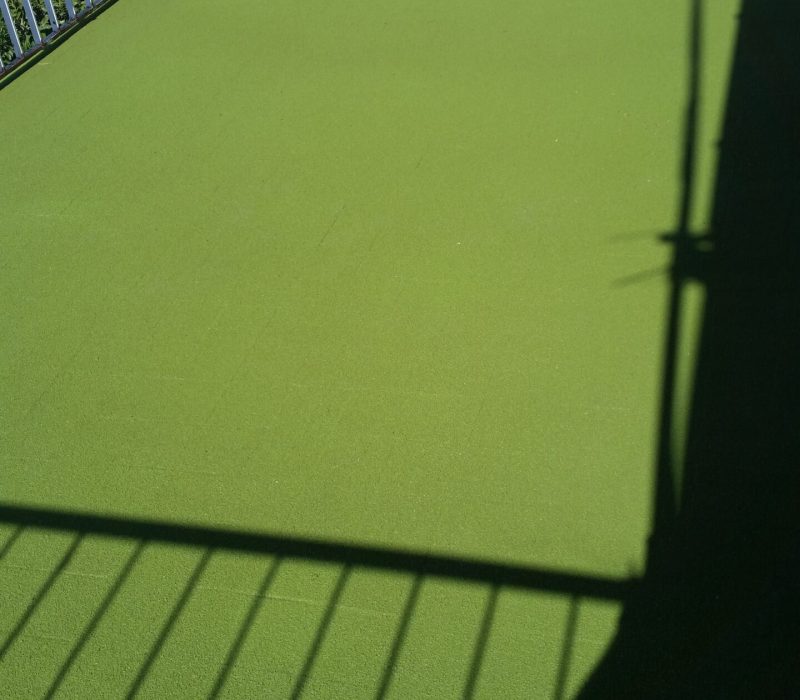
✔ Weatherproof facade & roof layer
✔ Waterproofing, UV shielding & condensation control
✔ Fire retardant, breathable & flexible
✔ Available in natural colours (no separate paint/finish)
“One system replaces roof membrane + finish + protection”
Interior Building Performance
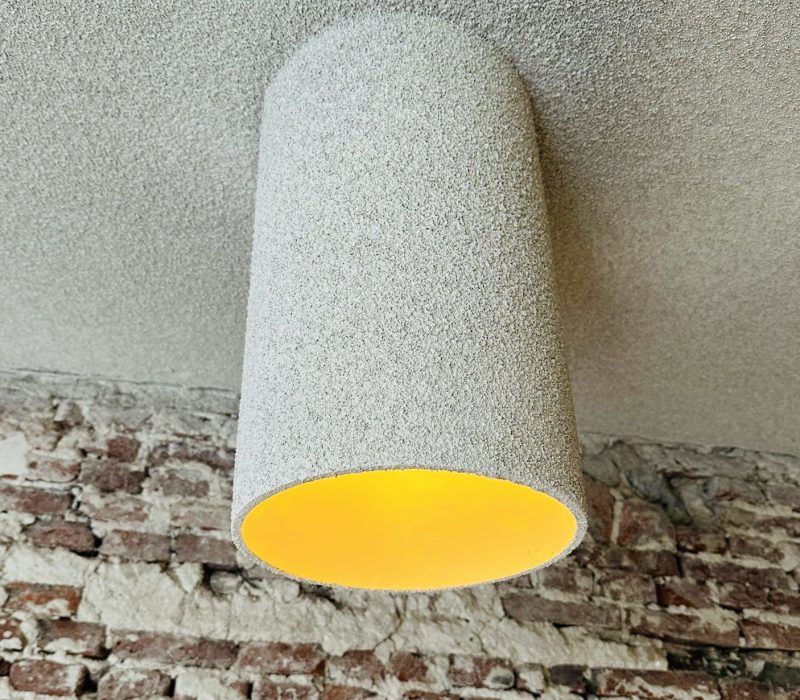
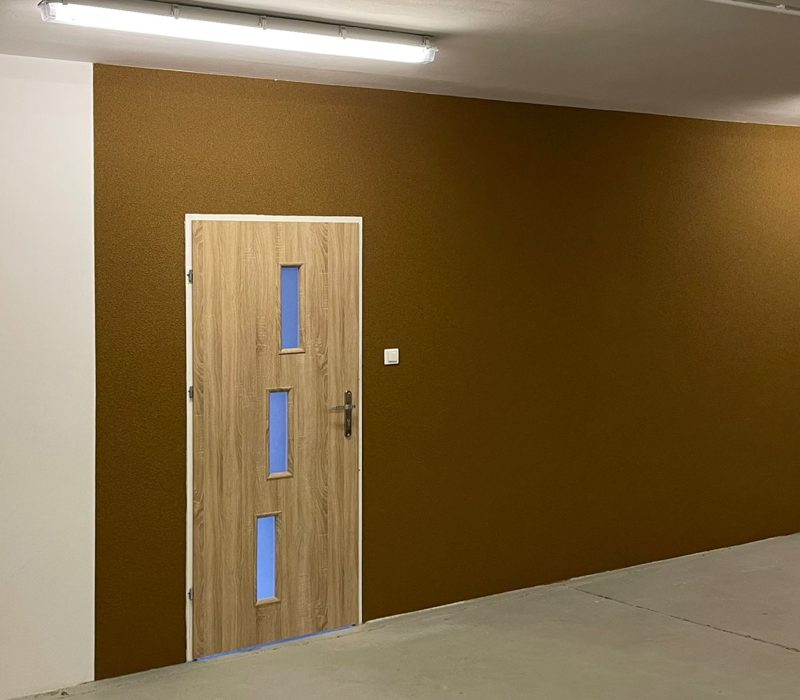
Cork coating in walls & ceilings
✔ Acoustic regulation
✔ Damp & condensation control
✔ Decorative finish
(Installers / contractors love function + finish in one.)
Product Overview
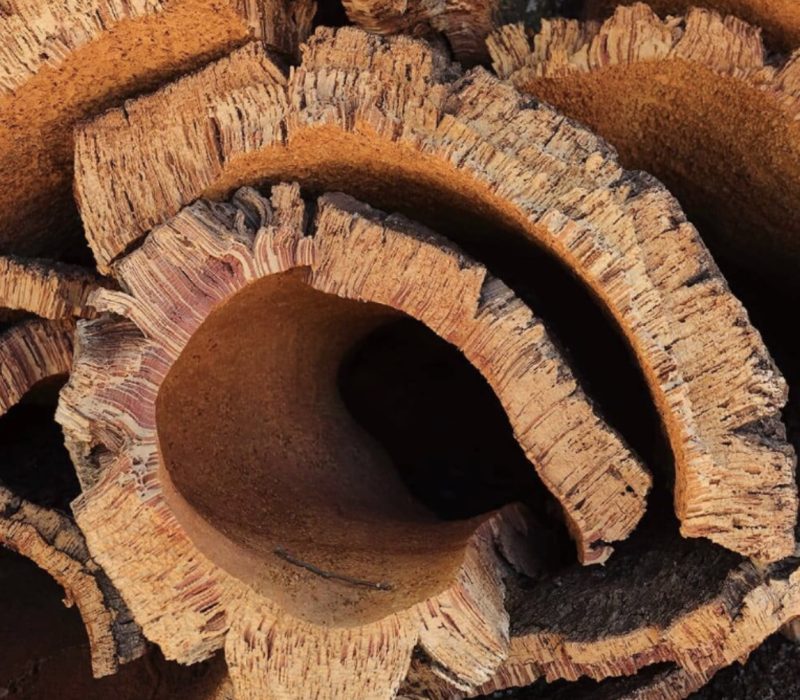
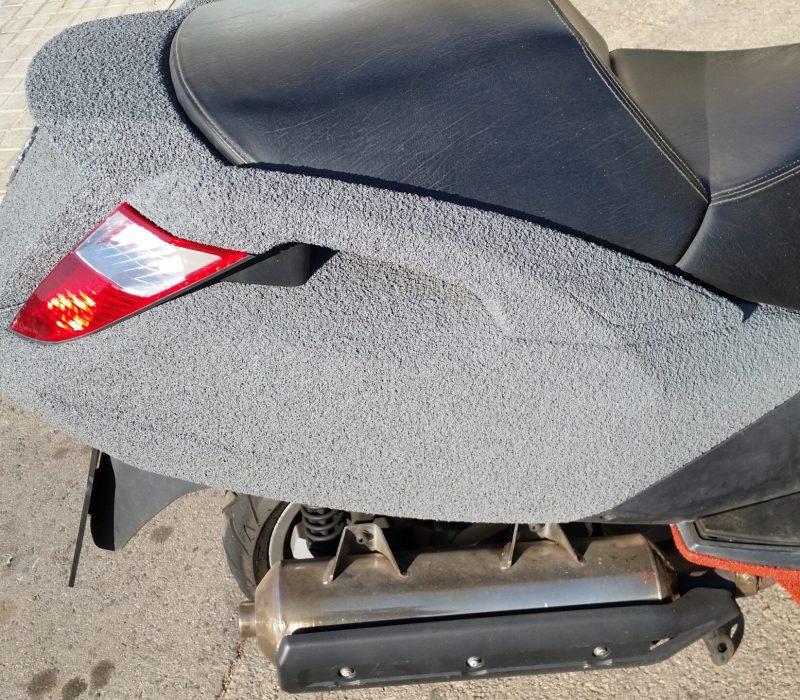
Our cork coating is a fully biobased, zero-synthetic solution developed with a certified partner facility in Spain. It is supplied as a paste/emulsion for spray or trowel application and cures to a flexible, durable membrane. Works on wood, concrete, metal, plastic and composite substrates. Ideal for façades, roofs, ceilings, interior walls, and technical applications in high-humidity environments.
Applications
Interior Walls
Improves thermal comfort and reduces reverberation in living rooms, bedrooms, offices, and studios.
Facades
Protection from the Rain, Weather, UV and temperature fluctuations- extending the lifecycle of facade and the building. Reduces the need for renovation and maintenance.
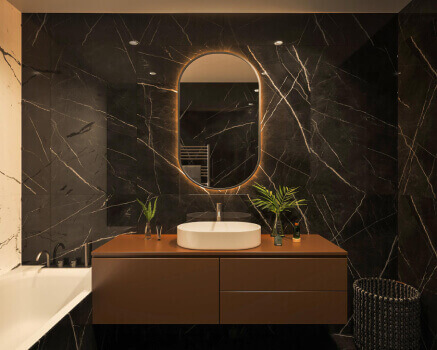
Bathrooms
Moisture resistant with anti-mould behaviour. Ideal for humid domestic environments.
Facades (non-direct rain)
Adds insulation and micro-crack bridging on sheltered exterior walls.
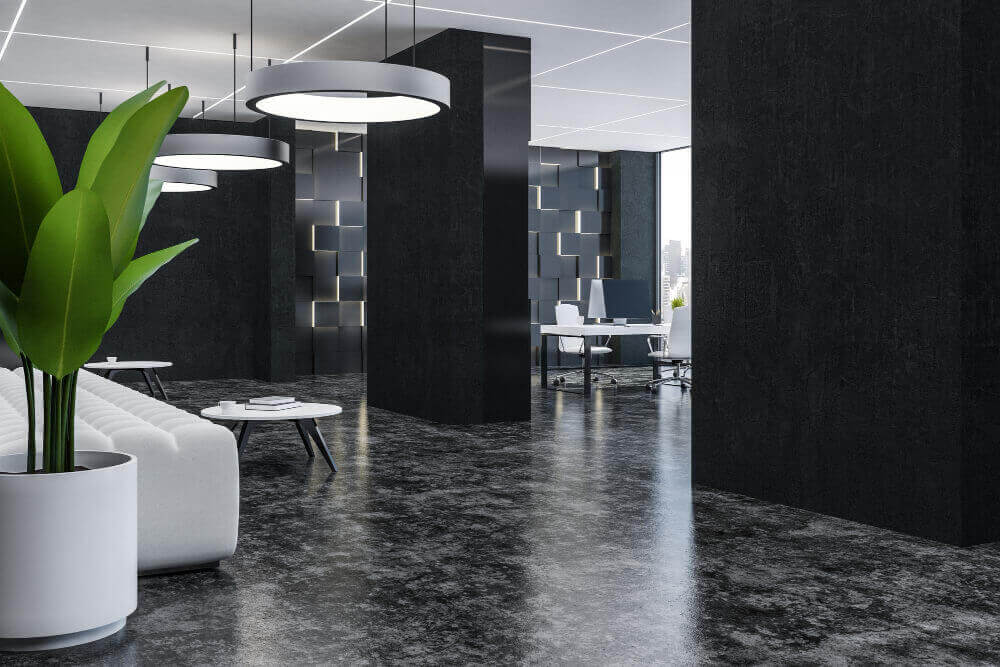
Retail & Hospitality
Visually warm material with functional acoustic performance for restaurants, lobbies, and cafés.
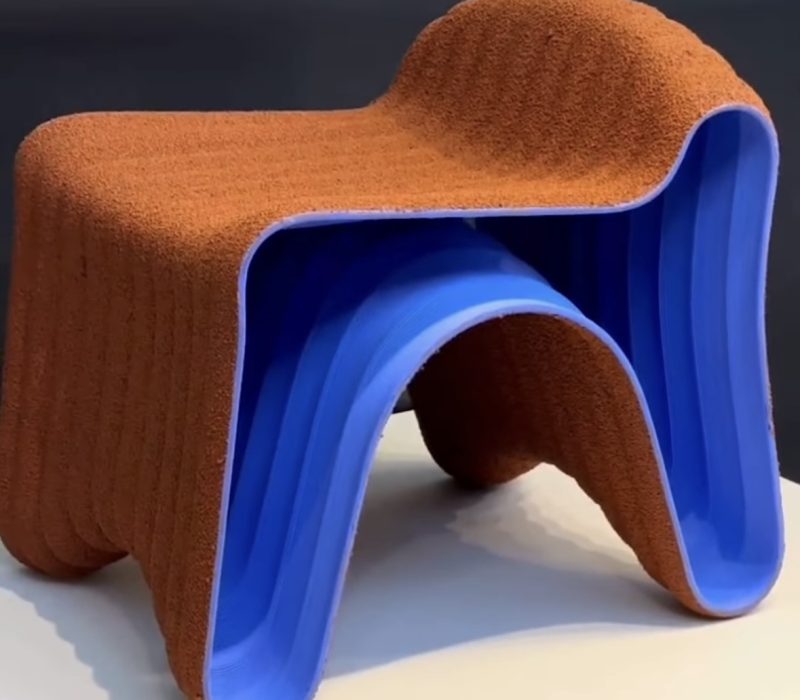
Furniture Panels
Spray-on cork texture is commonly used on MDF or plywood decorative elements.
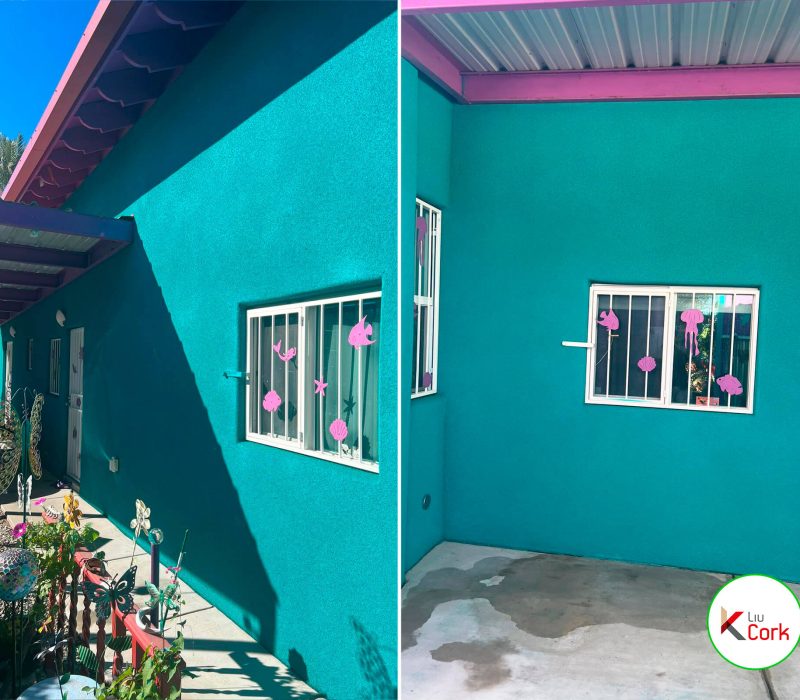
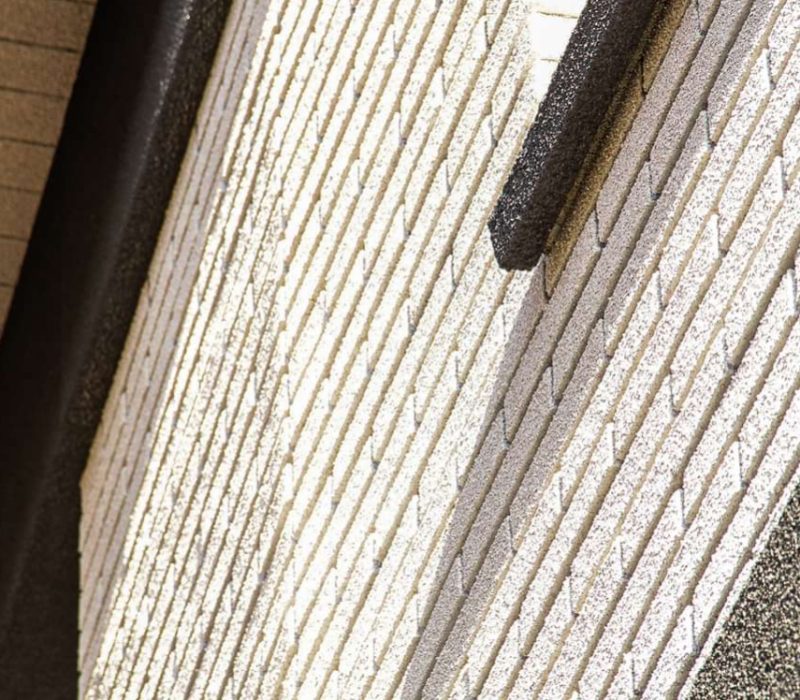
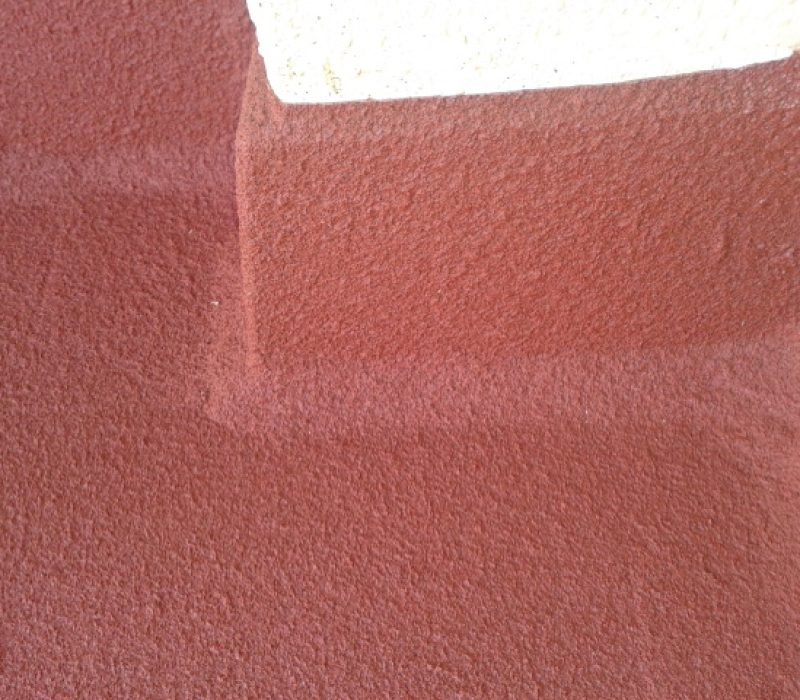
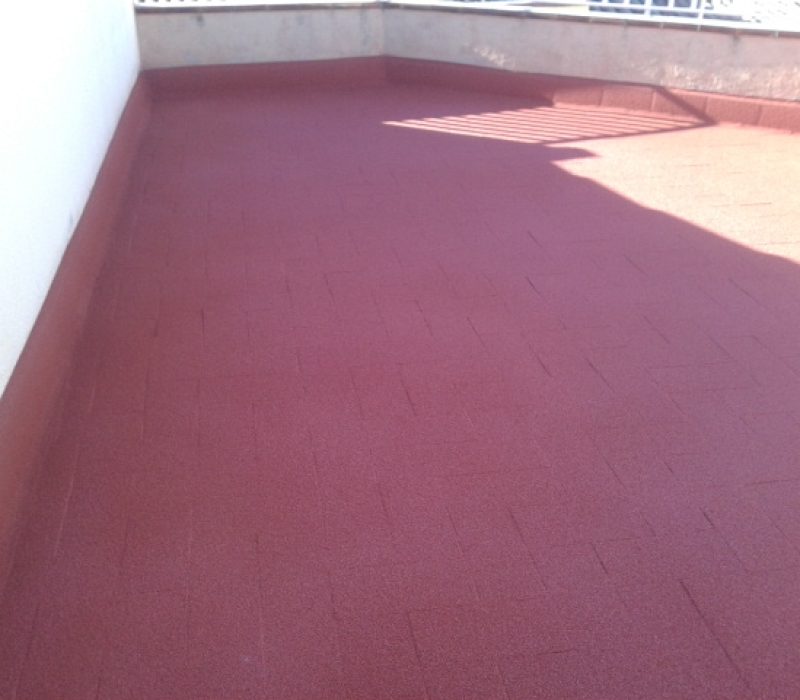
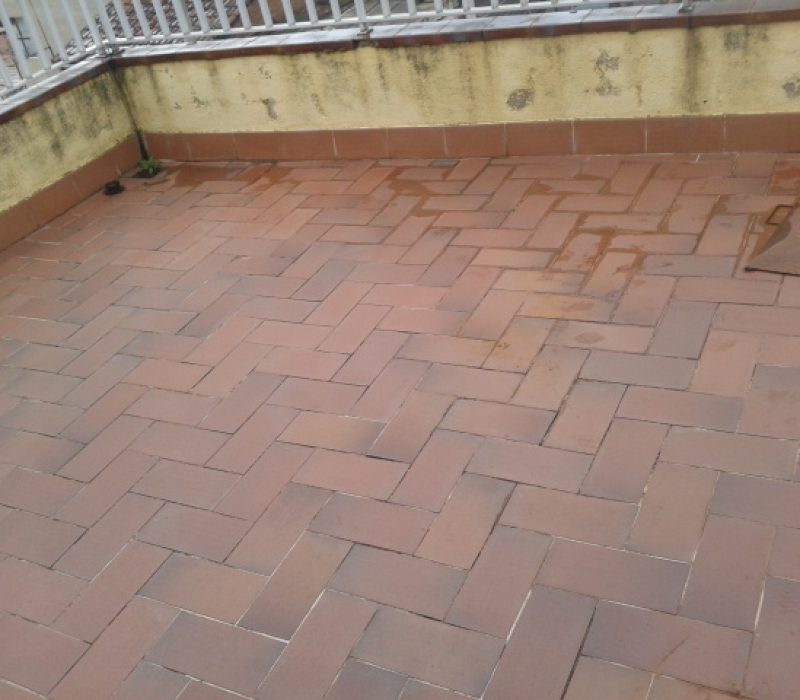
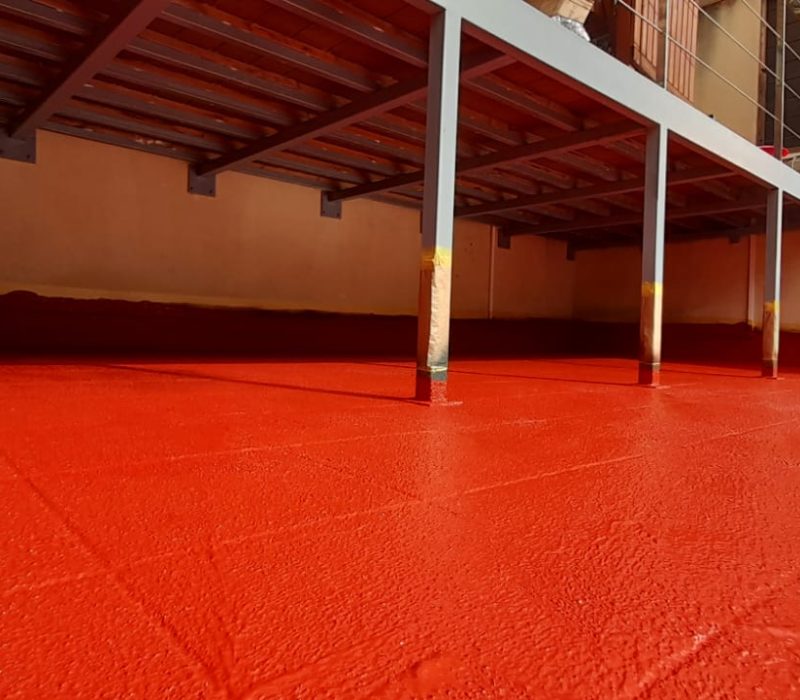
Application examples
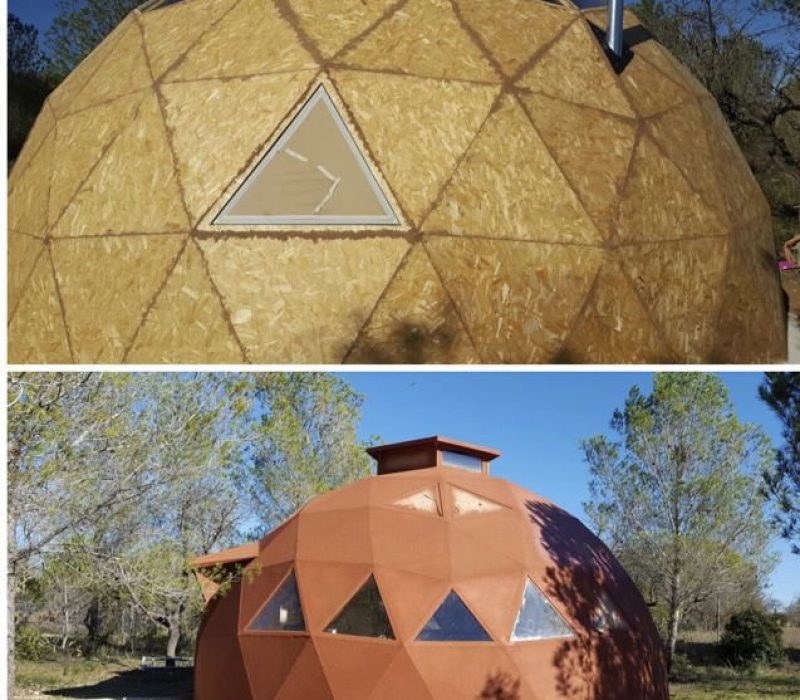
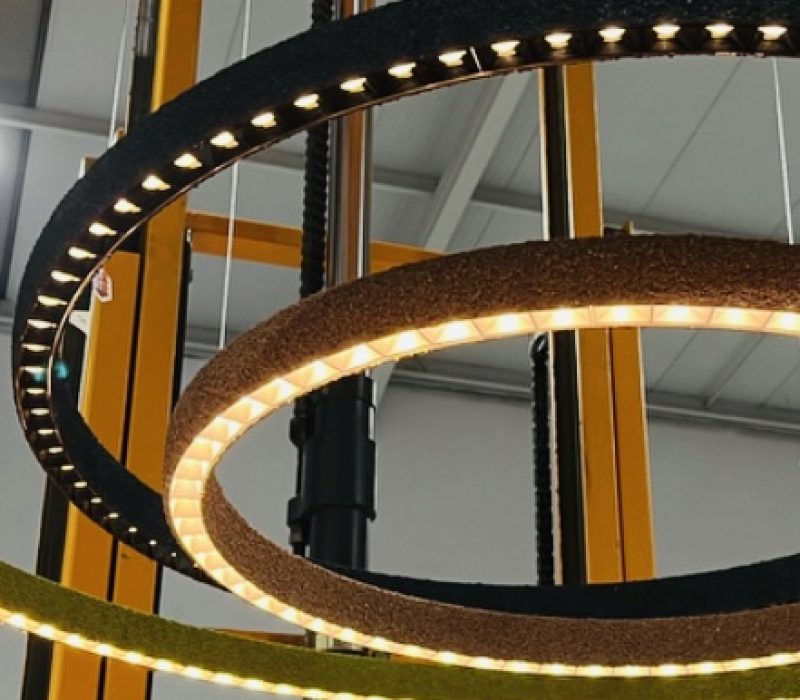
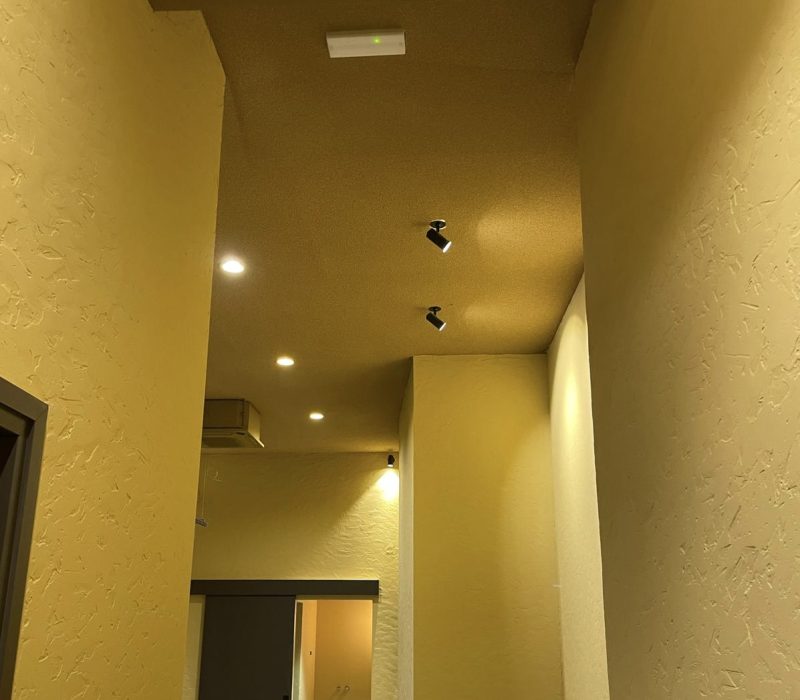
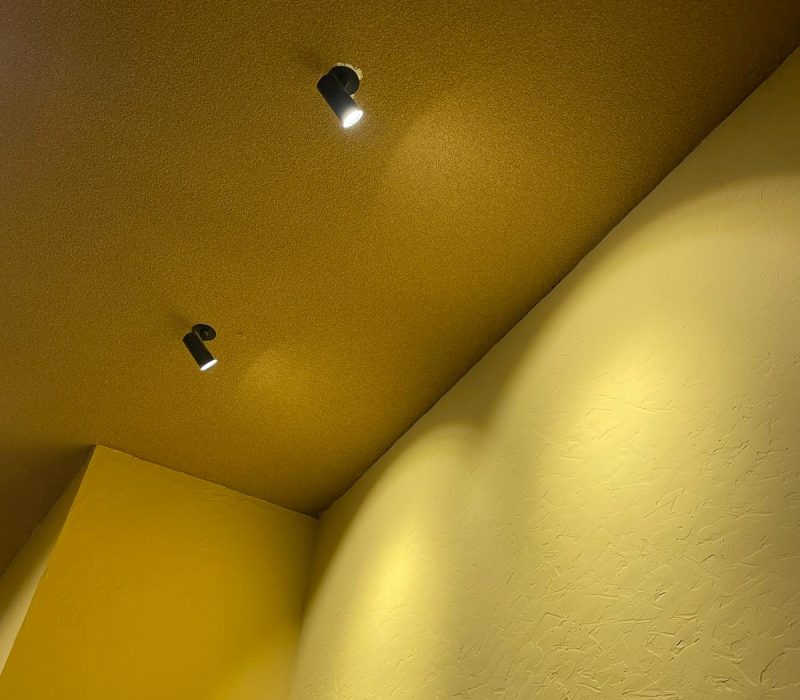
See this cork solution in real projects and installed applications.
See how it is done
Watch the process video to see how the cork finish is applied.
Technical Specifications
-
Material
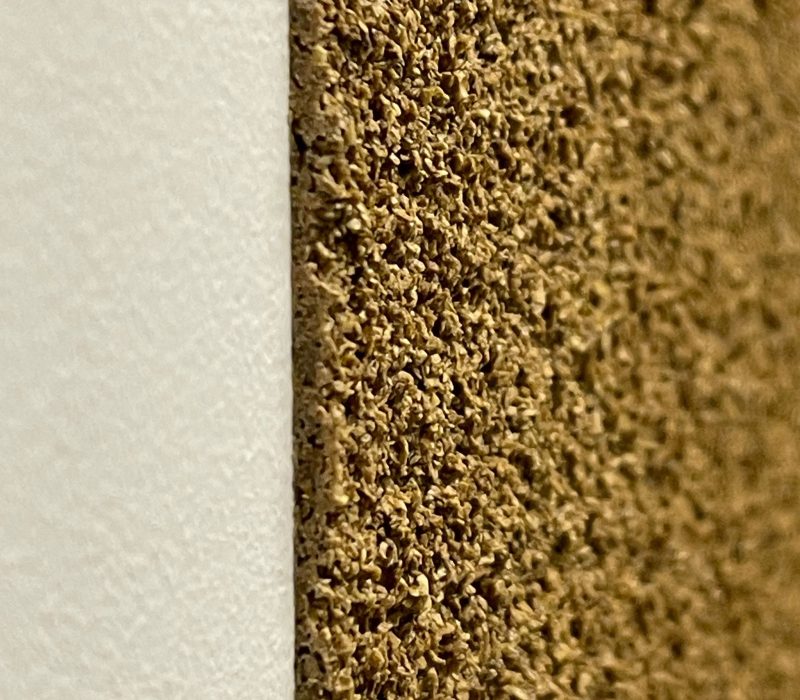
Acrylic-bound sprayable cork granulate
-
Granule size
0.5–1.0 mm
-
Finish
Matte cork texture
-
Density (wet)
0.55–0.70 g/cm³
-
Density (dry)
0.45–0.55 g/cm³
-
Drying time (touch)
2–6 hours
-
Full curing time
24–72 hours
Physical Properties
-
Thermal conductivity λ
0.040–0.055 W/m·K EN 12667
-
Thermal resistance (1mm layer)
0.018–0.022 m²K/W
-
Heat absorption
Low — surface remains cool
Thermal Performance
-
Sound reduction
6–12 dB depending on substrate ISO 10140
-
Acoustic behaviour
Dampens mid/high-frequency noise
Acoustic Performance
-
Application method
Spray gun (hopper gun or pro)
-
Optimal viscosity
120–160 KU
-
Recoating interval
4–12 hours
-
Max layer per coat
1.0 mm
-
Typical total thickness
0.5–2.0 mm
Application Properties
-
VOC
< 0.3 mg/m³ (ultra-low)
-
Renewable content
60–80% cork granules
-
Recyclability
Fully recyclable as inert filler
-
Fire rating
Euroclass E (typical)
Environmental
-
Suitable surfaces
Plaster, cement, wood, MDF, brick, primed drywall
-
Not ideal for
Smooth plastics, oily metals
-
Primers
Acrylic universal primer recommended
-
Topcoat
Optional acrylic sealant
Compatibility
Frequently Asked Questions
Can cork coating be used in bathrooms?
Yes. It is moisture-resistant and naturally mould-resistant, but direct water exposure (e.g. shower walls) is not recommended without sealing.
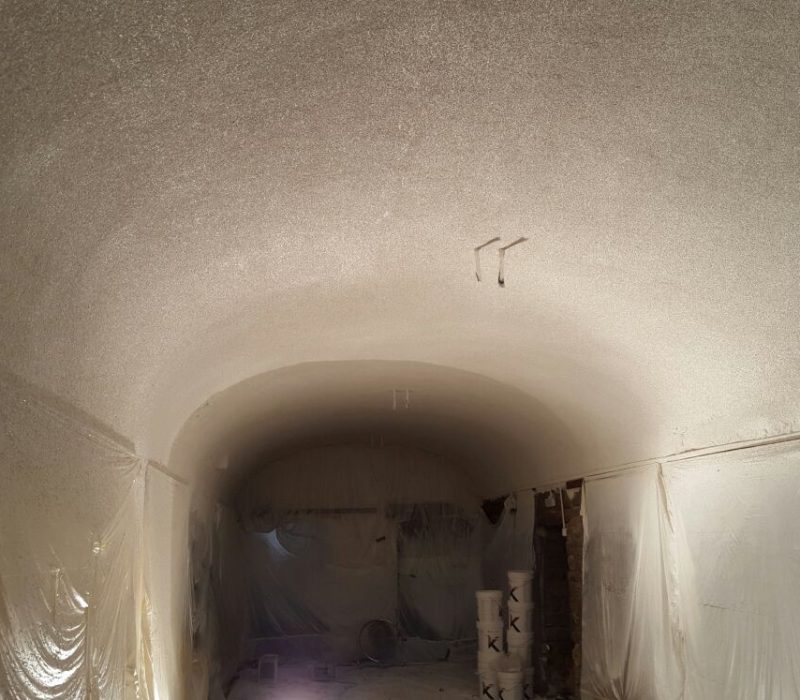
Can I apply it on ceilings?
Yes. The product is lightweight and adheres well overhead when applied in thin coats.
How durable is the finish?
Very durable for interior use. It resists micro-cracking and impacts better than paint due to the elastic cork structure.
Does it smell?
Only a mild natural cork scent during application. VOC is extremely low (<0.3 mg/m³).
Can I paint over it?
Yes, with acrylic paints. However, painting may reduce acoustic absorption slightly.
Is it safe for kids' rooms?
Yes, it is non-toxic, low-VOC, and contains mostly natural cork.
Available Colours
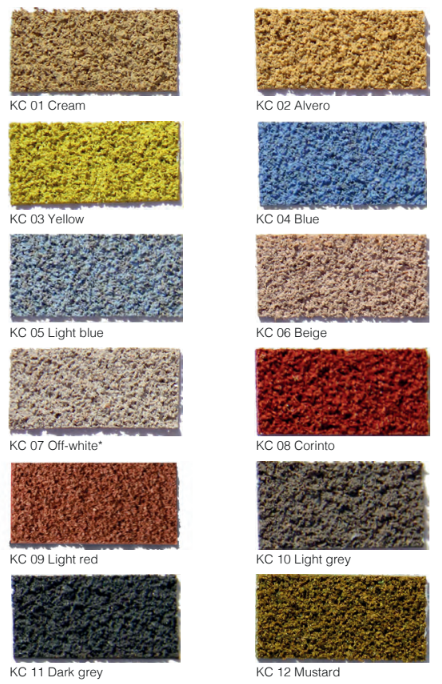
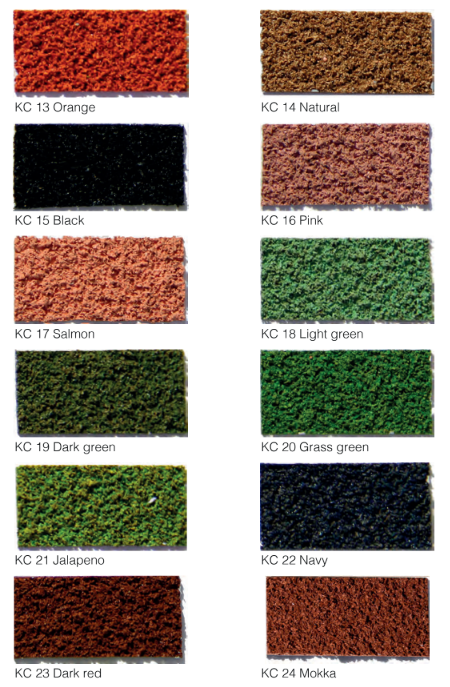
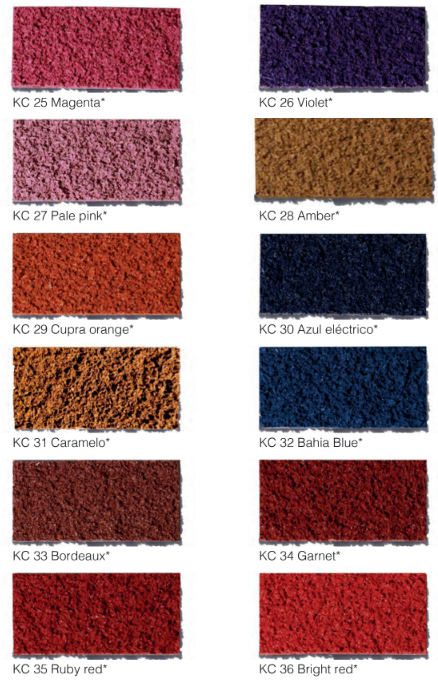
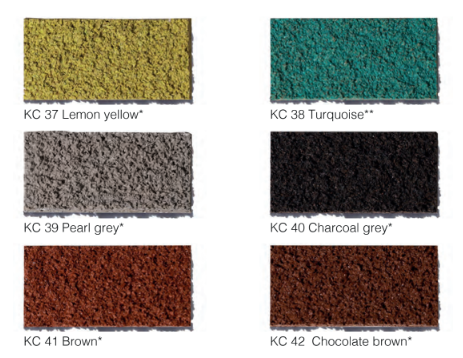
Notes: All colours marked with an * have an additional cost per kilogram due
to the amount of pigments they contain.
Product Overview
Our cork coating is a fully biobased, zero-synthetic solution developed with a certified partner facility in Spain. It is supplied as a paste/emulsion for spray or trowel application and cures to a flexible, durable membrane. Works on wood, concrete, metal, plastic and composite substrates. Ideal for façades, roofs, ceilings, interior walls, and technical applications in high-humidity environments.
Applications
Interior Walls
Improves thermal comfort and reduces reverberation in living rooms, bedrooms, offices, and studios.
Ceilings
Significant acoustic dampening for echo-prone spaces. Lightweight and easy to spray overhead.
Bathrooms
Moisture resistant with anti-mould behaviour. Ideal for humid domestic environments.
Facades (non-direct rain)
Adds insulation and micro-crack bridging on sheltered exterior walls.
Retail & Hospitality
Visually warm material with functional acoustic performance for restaurants, lobbies, and cafés.
Furniture Panels
Spray-on cork texture is commonly used on MDF or plywood decorative elements.
Application examples
See this cork solution in real projects and installed applications.
See how it is done
Watch the process video to see how the cork finish is applied.
Technical Specifications
-
Material
Acrylic-bound sprayable cork granulate
-
Granule size
0.5–1.0 mm
-
Finish
Matte cork texture
-
Density (wet)
0.55–0.70 g/cm³
-
Density (dry)
0.45–0.55 g/cm³
-
Drying time (touch)
2–6 hours
-
Full curing time
24–72 hours
Physical Properties
-
Thermal conductivity λ
0.040–0.055 W/m·K EN 12667
-
Thermal resistance (1mm layer)
0.018–0.022 m²K/W
-
Heat absorption
Low — surface remains cool
Thermal Performance
-
Sound reduction
6–12 dB depending on substrate ISO 10140
-
Acoustic behaviour
Dampens mid/high-frequency noise
Acoustic Performance
-
Application method
Spray gun (hopper gun or pro)
-
Optimal viscosity
120–160 KU
-
Recoating interval
4–12 hours
-
Max layer per coat
1.0 mm
-
Typical total thickness
0.5–2.0 mm
Application Properties
-
VOC
< 0.3 mg/m³ (ultra-low)
-
Renewable content
60–80% cork granules
-
Recyclability
Fully recyclable as inert filler
-
Fire rating
Euroclass E (typical)
Environmental
-
Suitable surfaces
Plaster, cement, wood, MDF, brick, primed drywall
-
Not ideal for
Smooth plastics, oily metals
-
Primers
Acrylic universal primer recommended
-
Topcoat
Optional acrylic sealant
Compatibility
Installation Guide
-
1. Surface Preparation
• Ensure substrate is clean, dry, and dust-free.
• Repair cracks or holes with filler.
• Prime surface with acrylic primer for best adhesion.
• Mask edges, floors, and fixtures. -
2. Application
• Mix the coating thoroughly for 2–3 minutes.
• Use hopper gun or pressure sprayer at medium pressure.
• Apply in thin, even passes (max 1 mm per coat).
• Allow 4–12 hours between coats depending on humidity.
• Typical thickness achieved in 1–3 coats. -
3. Finishing
• Let surface dry 24–72 hours.
• Optional: seal with clear acrylic matte topcoat.
• Remove masking tape after touch-dry stage. -
4. Maintenance
• Clean with mild soap and water.
• Spot repair by lightly sanding and respraying.
• Recoat every 7–15 years depending on use.
Frequently Asked Questions
Can cork coating be used in bathrooms?
Yes. It is moisture-resistant and naturally mould-resistant, but direct water exposure (e.g. shower walls) is not recommended without sealing.
Can I apply it on ceilings?
Yes. The product is lightweight and adheres well overhead when applied in thin coats.
How durable is the finish?
Very durable for interior use. It resists micro-cracking and impacts better than paint due to the elastic cork structure.
Does it smell?
Only a mild natural cork scent during application. VOC is extremely low (<0.3 mg/m³).
Can I paint over it?
Yes, with acrylic paints. However, painting may reduce acoustic absorption slightly.
Is it safe for kids' rooms?
Yes, it is non-toxic, low-VOC, and contains mostly natural cork.
How thick should I apply it?
0.5–2.0 mm depending on acoustic/thermal needs. Most interiors use 1.0 mm.
Available Colours
Notes: All colours marked with an * have an additional cost per kilogram due
to the amount of pigments they contain.
contact
Reach out &
Connect with Us
CoFlora Design is proud to collaborate with businesses and individuals who share its commitment to a happy planet and healthy people. Together, we can replace harmful alternatives with nature-friendly solutions that make a difference

Get In Touch and explore the world of cork